

The Allure of Casino Gaming
Casino gaming captivates millions of individuals worldwide, driven by a blend of excitement, risk, and the potential for substantial financial rewards. The psychology behind this allure is multifaceted, involving cognitive biases and emotional triggers that draw players into the gaming experience. Understanding these psychological elements, including online casinos that use interac, can shed light on why many individuals find themselves engaged in casino games.
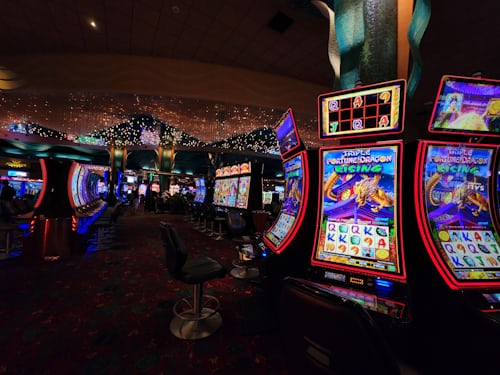
The thrill of uncertainty plays a significant role in casino gaming. Every spin of the slot machine or roll of the dice carries the possibility of a life-changing win, creating a sense of anticipation that can be intoxicating. This anticipation fuels the desire to play, often leading players to engage in behaviors that may not align with their financial best interests.
The Role of Cognitive Biases
Cognitive biases significantly influence decision-making in the context of casino gaming. For instance, the illusion of control can lead players to believe they can influence the outcome of games that are primarily based on chance. This belief can result in players taking risks they would otherwise avoid, believing that their actions could turn the odds in their favor.
Another common bias is the gambler’s fallacy, where individuals think that past outcomes influence future results. For example, if a player notices that a particular number hasn’t appeared in a while, they might feel compelled to bet on it, mistakenly believing that it is “due” to occur. These cognitive traps can lead to poor decision-making and increased losses in the long run.
Emotional Factors in Betting Behavior
Emotions play a crucial role in the decisions gamblers make during casino gaming. Excitement and exhilaration are often heightened when players are on winning streaks, prompting them to continue betting, sometimes leading to reckless behavior. Conversely, losses can evoke feelings of frustration and determination, compelling players to chase their losses in hopes of a rebound.
Additionally, the social environment of casinos can amplify emotional responses. The presence of other players and the ambiance of the gaming floor can escalate excitement levels, encouraging individuals to play longer and bet larger amounts. Understanding these emotional triggers can help individuals recognize when they may be gambling beyond their means.
Strategies for Responsible Gambling
Recognizing the psychological elements at play in casino gaming allows individuals to develop healthier strategies for their gaming experiences. Setting strict budgets and time limits can help mitigate the risk of excessive gambling. By establishing boundaries, players can enjoy the thrill of gaming without compromising their financial stability.
Furthermore, employing self-awareness techniques can aid in recognizing emotional and cognitive triggers that may lead to irresponsible gambling. Being mindful of one’s reactions during gameplay can empower individuals to step back and reassess their strategies, promoting healthier gaming habits and protecting against potential addiction.

A Resource for Managing Gambling Behavior
Understanding the psychology behind casino gaming is essential for both players and their families. Knowledge about cognitive biases and emotional influences can equip individuals with the tools to approach gambling responsibly. For those seeking support, various resources exist to help navigate gambling challenges.
While the excitement of the casino can be enticing, prioritizing well-being is paramount. Engaging with communities and seeking professional help can foster a supportive environment, ensuring that the thrill of gaming remains a fun and controlled activity. By staying informed and aware, individuals can enjoy the casino experience while maintaining a balanced approach to their gaming habits.